
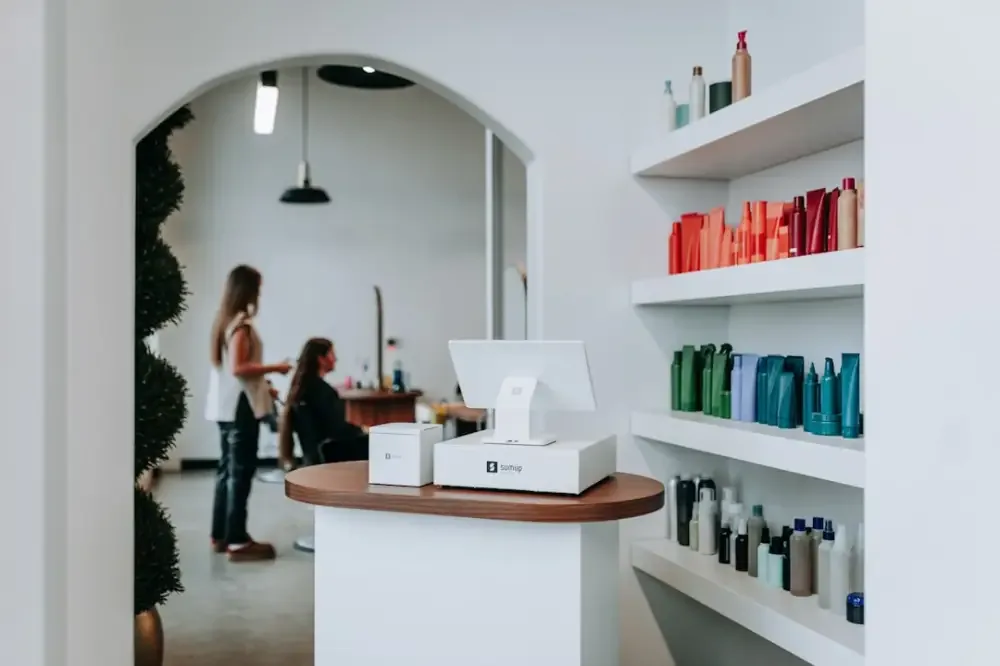
The Digital Threshold: Bridging the Gap Between Screen and Storefront
For decades, the threshold of a local business was a physical one—a heavy oak door, the chime of a bell, or the distinct aroma of freshly roasted beans that greeted a customer blocks away. Today, that threshold has shifted. For the modern consumer, the first point of contact isn’t the sidewalk; it is the glowing rectangle of a smartphone screen. Specifically, it is your Google Business Profile.
Yet, there remains a persistent and palpable disconnect. Many local businesses, despite having vibrant, soulful physical locations, appear clinical and static online. Their digital presence feels like a tax filing rather than a community hub. As we move deeper into an era defined by community-centered marketing and collective leadership, the challenge for the local entrepreneur is no longer just 'being found'—it is about being felt. Making your Google profile feel like your real shop requires a shift from data management to digital curation.
Curating the Visual Soul of Your Business
The most common mistake in local SEO is the reliance on sterile, professional photography that lacks character. While high-resolution images are necessary, they often fail to capture the 'vibe' of a space. To make a digital profile feel like a real shop, you must document the movement within your walls.
Beyond the Professional Lens
Consider the difference between a staged photo of an empty dining room and a candid shot of a regular customer reading by the window in the afternoon sun. The latter tells a story of comfort and belonging. In our observation of local marketing trends, the most successful profiles are those that treat their image gallery as a living document. This means:
- Capturing the 'Golden Hour': Show how your shop looks when the light hits the window just right.
- The Human Element: Featuring the hands that craft the products or the smiles that greet the guests.
- Behind-the-Scenes Reality: A photo of a messy workbench or a new shipment arriving creates a sense of transparency and momentum.
When a user scrolls through your photos, they should be able to visualize themselves standing in your aisles. If the digital experience feels too polished, it risks feeling impersonal. Authenticity, even with its slight imperfections, is the currency of the modern local economy.
The Pulse of the Community: Activity as Authenticity
A real shop is never static. It changes with the seasons, the inventory shifts, and the chalkboard out front gets a new daily special. Too many Google profiles are treated as 'set it and forget it' assets. To mirror the energy of a physical location, your digital storefront must demonstrate a pulse.
Google’s 'Updates' feature is perhaps the most underutilized tool for local businesses. In the same way you might change a window display to reflect a local festival or a change in weather, your digital updates should reflect the current moment. Whether it’s a quick note about a new seasonal menu item or a shout-out to a local charity partner, these updates signal to both Google and the consumer that the lights are on and someone is home.
The Conversation Economy: Reviews as Real Dialogue
In a physical shop, if a customer pays a compliment, the owner thanks them. If there is a complaint, a conversation ensues to make it right. On a Google profile, these interactions are the digital equivalent of over-the-counter dialogue. However, many businesses treat reviews as a one-way street or, worse, a chore to be ignored.
To make your profile feel like your shop, the tone of your review responses must match the tone of your in-person service. If your shop is quirky and informal, your digital responses should be too. If you pride yourself on high-end, professional service, your online persona must reflect that gravitas. This consistency builds a bridge of trust; when the customer eventually walks through your physical door, they already feel like they know how they will be treated.
Building a Seamless Transition
The ultimate goal of optimizing a Google profile is to make the transition from the digital world to the physical world feel frictionless. This involves more than just correct hours and addresses. It involves managing expectations through every digital touchpoint.
- The Q&A Section: Take control of the narrative by pre-populating the Questions & Answers section with the things people actually ask when they walk in. "Where is the best place to park?" or "Is there a quiet corner for laptop work?"
- Real-Time Inventory: If you sell physical goods, using tools that sync your in-store inventory with your Google profile ensures that a customer’s digital discovery doesn't turn into physical disappointment.
- Service Menus: Ensure your list of services or products isn't just a list of keywords, but a reflection of your actual offerings, described in the language your customers use.
As we have explored in our previous discussions on the shift toward collective leadership and community-centered growth, the local economy is moving toward a model of deep integration. We are seeing a blurring of lines between where a community center ends and a business begins. Your Google Business Profile is the front porch of this new community center.
By treating your digital presence as an extension of your physical craft, you do more than just improve your search rankings. You invite the world into your space before they ever leave their homes. You turn a map pin into a destination. In the end, making your Google profile feel like your real shop isn't about gaming an algorithm; it’s about honoring the reality of the work you do every day.